2 min read

Why Movement Matters: Reclaiming the Body in Education

Why Movement Matters: Reclaiming the Body in Education

In today’s world, children are increasingly asked to sit still, stay quiet, and learn primarily through screens and paper. Yet this approach runs counter to how children were designed to grow and flourish. Movement is not a break from learning, it is a vital part of it.

Research consistently shows that physical movement strengthens the brain. When children move, blood flow increases, oxygen reaches the brain more efficiently, and neural connections are activated. This directly impacts memory, focus, and comprehension. In fact, studies have shown that students who engage in regular physical activity perform better academically, particularly in reading and mathematics.

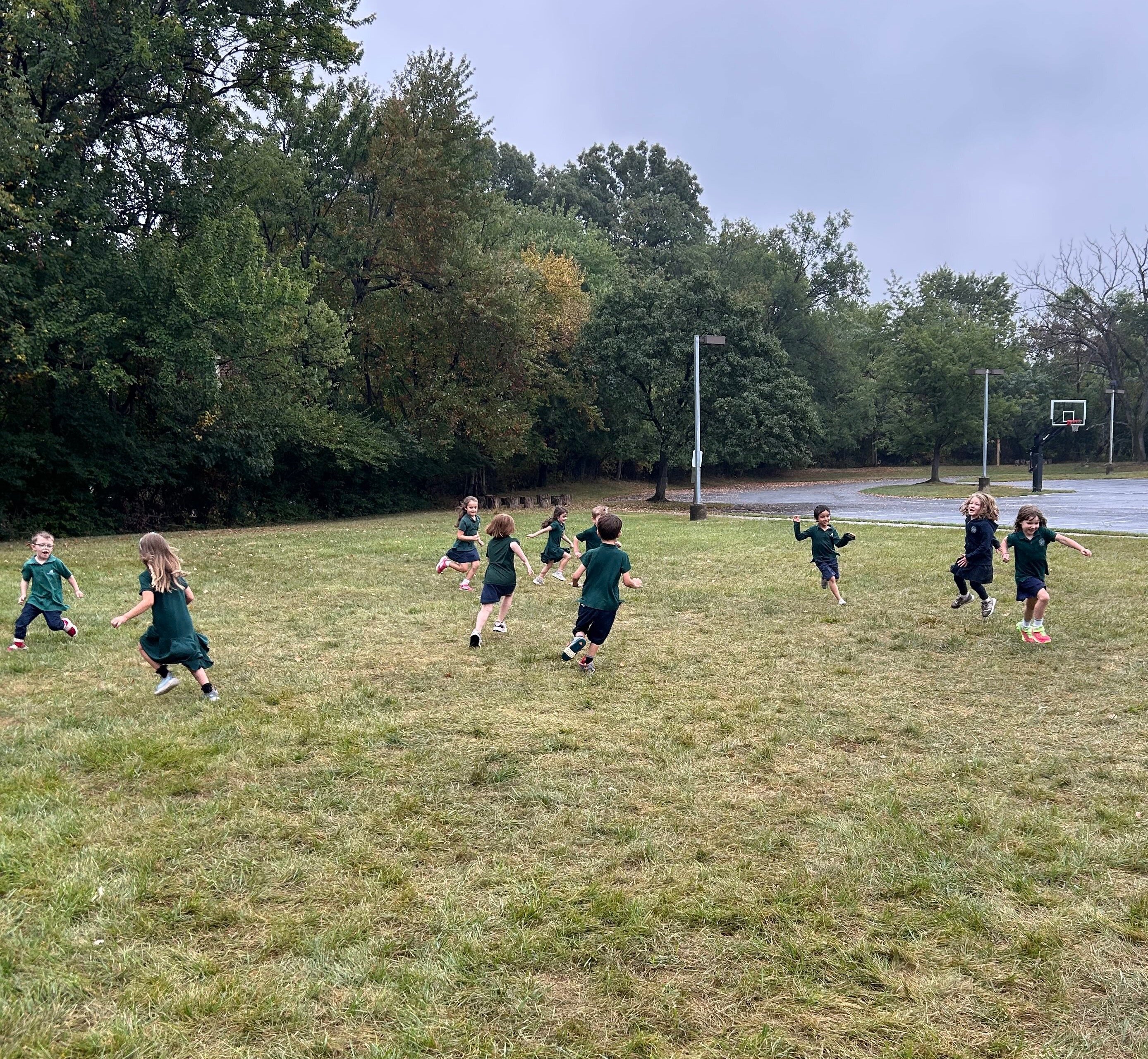
But the importance of movement goes beyond academics. Movement is essential for emotional regulation and mental health. Children carry stress, anxiety, and restlessness in their bodies. When they are given opportunities to run, climb, build, and explore, they are not simply “burning off energy,” they are processing their experiences and learning to regulate themselves. A child who has moved is far more prepared to attend, listen, and engage meaningfully.

There is also a developmental reality we cannot ignore: children are not meant to be sedentary for long stretches of time. Particularly in the middle school years, students need frequent opportunities to use their bodies. These are the years when coordination, strength, and spatial awareness are rapidly developing. Restricting movement during this window can hinder not only physical growth but confidence and independence.

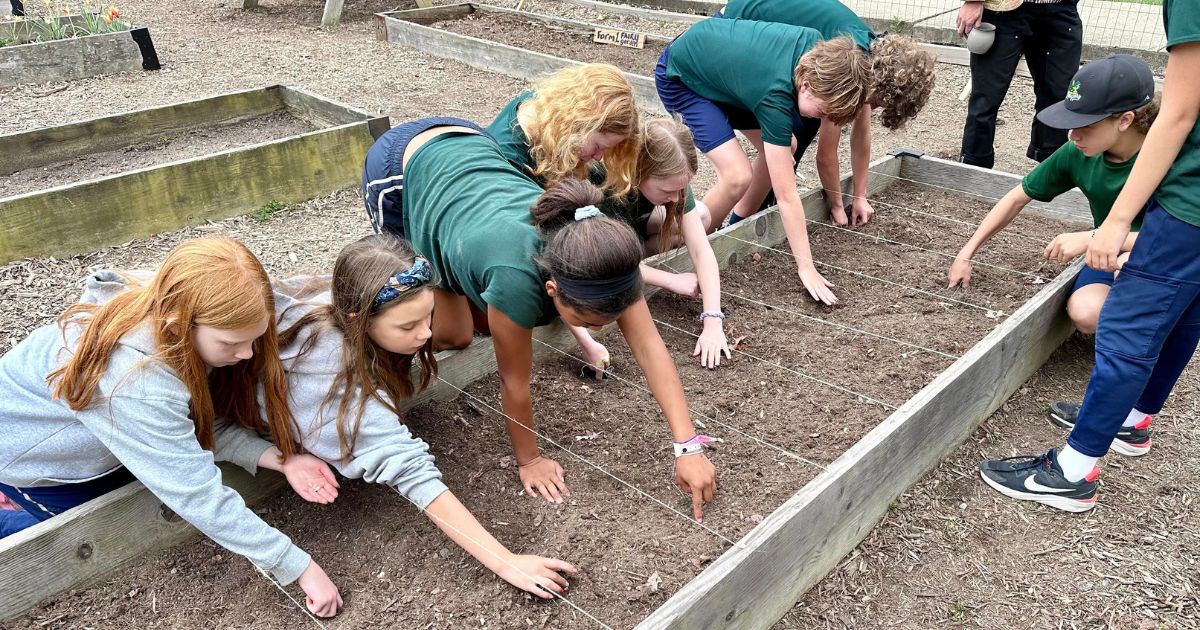
At its best, movement also fosters deeper learning. When students engage physically with their environment: measuring a garden bed, mapping a trail, conducting field observations, or even acting out historical events, they retain information more fully. Learning becomes embodied. It is no longer abstract but lived and experienced.

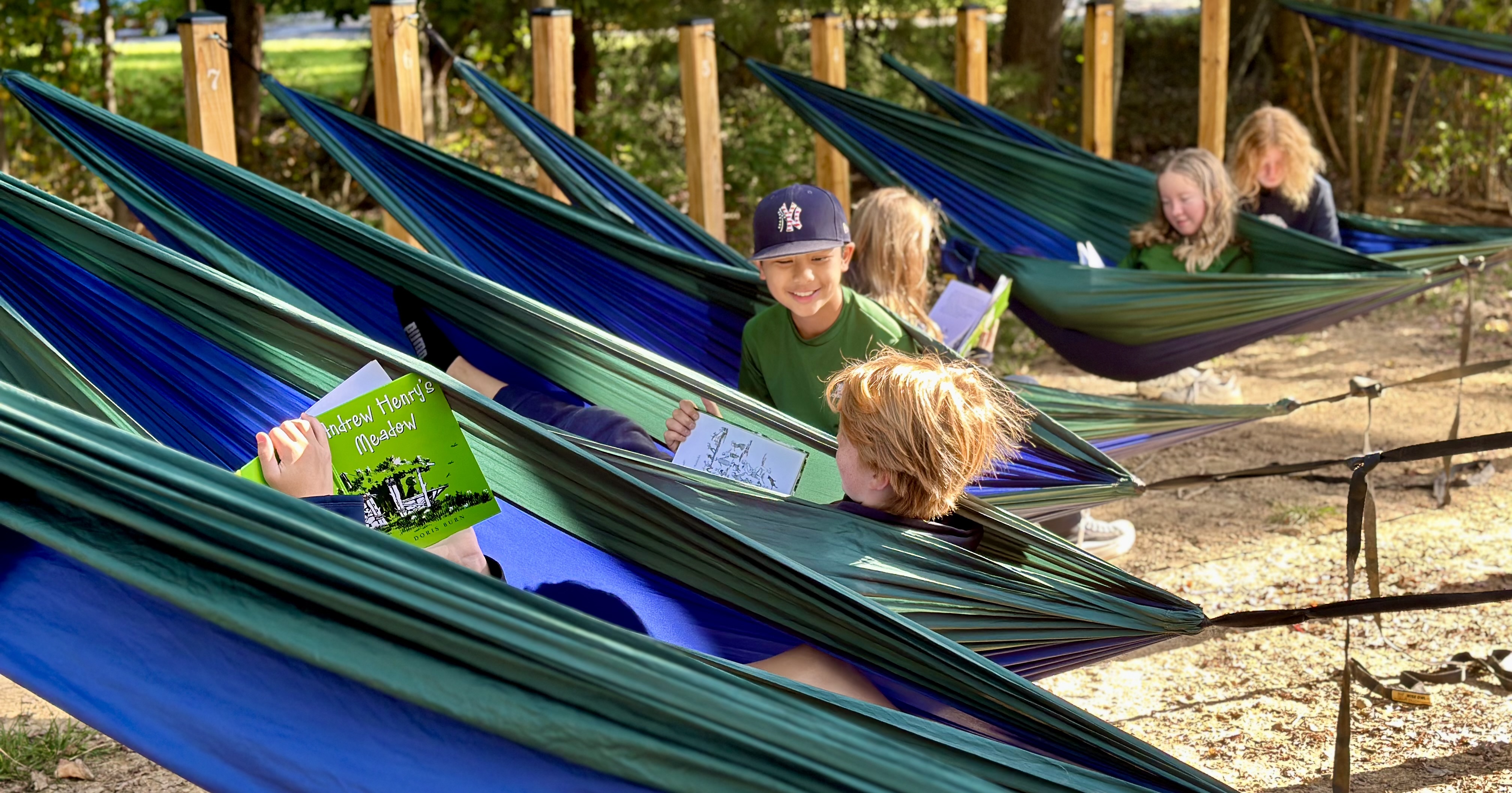
For schools, this calls for a shift in mindset. Movement should not be confined to recess or physical education alone. It should be woven throughout the day: outdoor lessons, hands-on projects, walking discussions, and opportunities for unstructured exploration. Even small changes like standing while working, short movement breaks, or learning outside can have a significant impact.

For families, the call is just as important. Limiting passive screen time, encouraging outdoor play, and prioritizing physical activity are not just lifestyle choices, they are foundational to a child’s development.

Ultimately, movement is a gift. It is part of how children were created to engage with the world. When we honor this design, we do more than improve academic outcomes, we cultivate healthier, more attentive, more joyful learners.

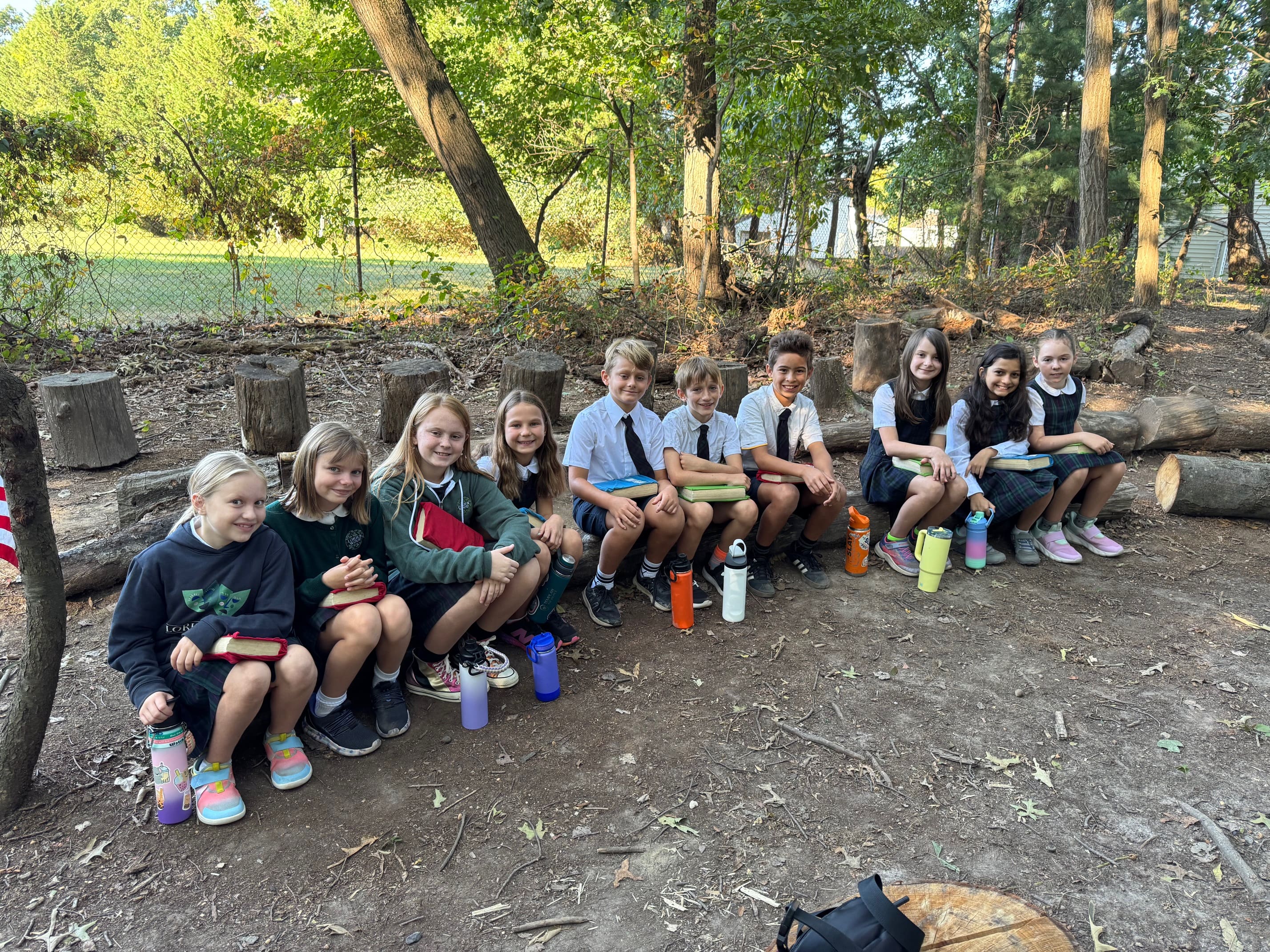
At Lorien Wood, we see this daily. When students are given space to move, explore, and engage with creation, something changes. They become more present, more curious, and more alive to the learning before them.

And perhaps that is the deeper truth: education is not only about forming the mind, but about shaping the whole person (body, mind, and spirit) into a life of purpose and faithful engagement with the world.